Meeting Our Inner Critic by Ethna Kileen
Sitting in a room with others who were happy with what we had achieved, I found myself unable to celebrate. All I could hear was, “We need to make a few tweaks.”
Why wasn’t anyone else hearing what I was hearing?
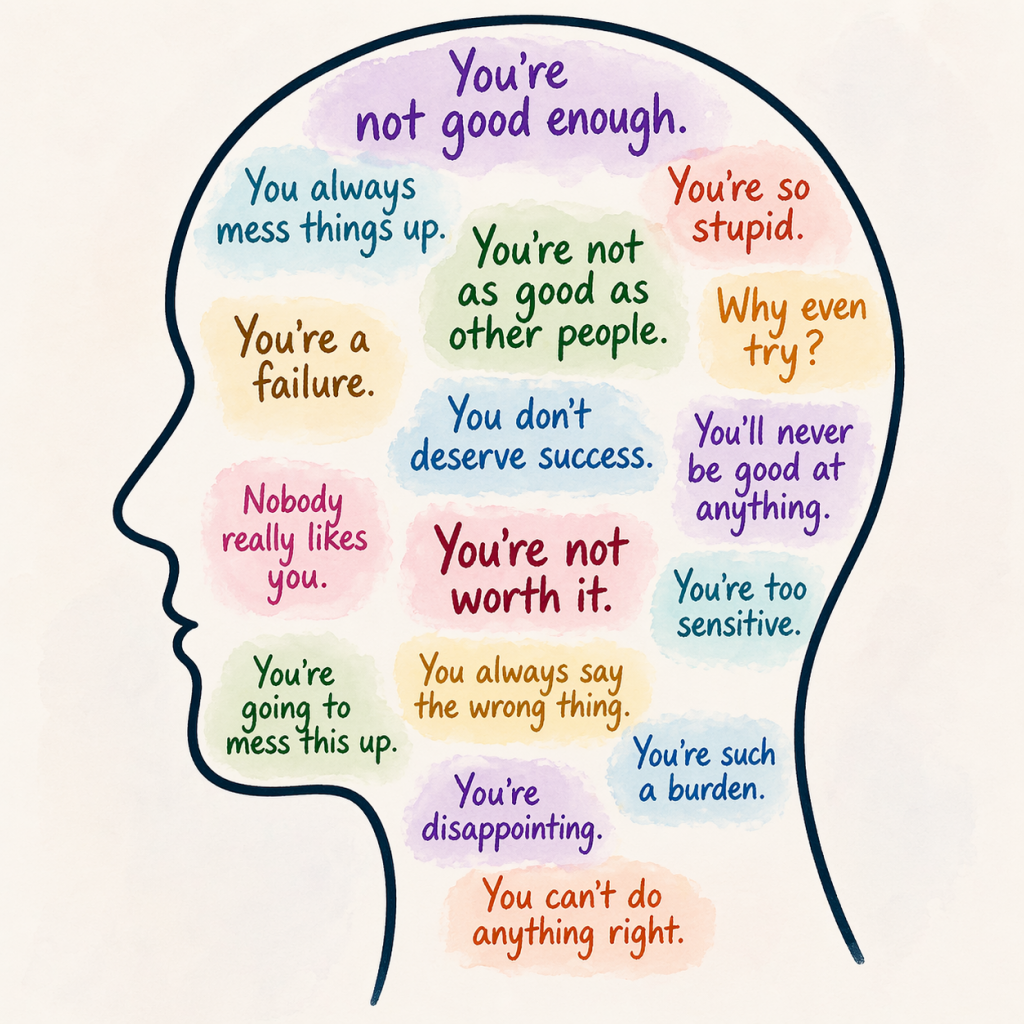
“It’s not good enough.”
“You could have done better.”
“You should have worked harder.”
I was unable to recognise the progress we had made. This negative voice spoke to me often, taking every opportunity to put me down, even though no one else could hear it.
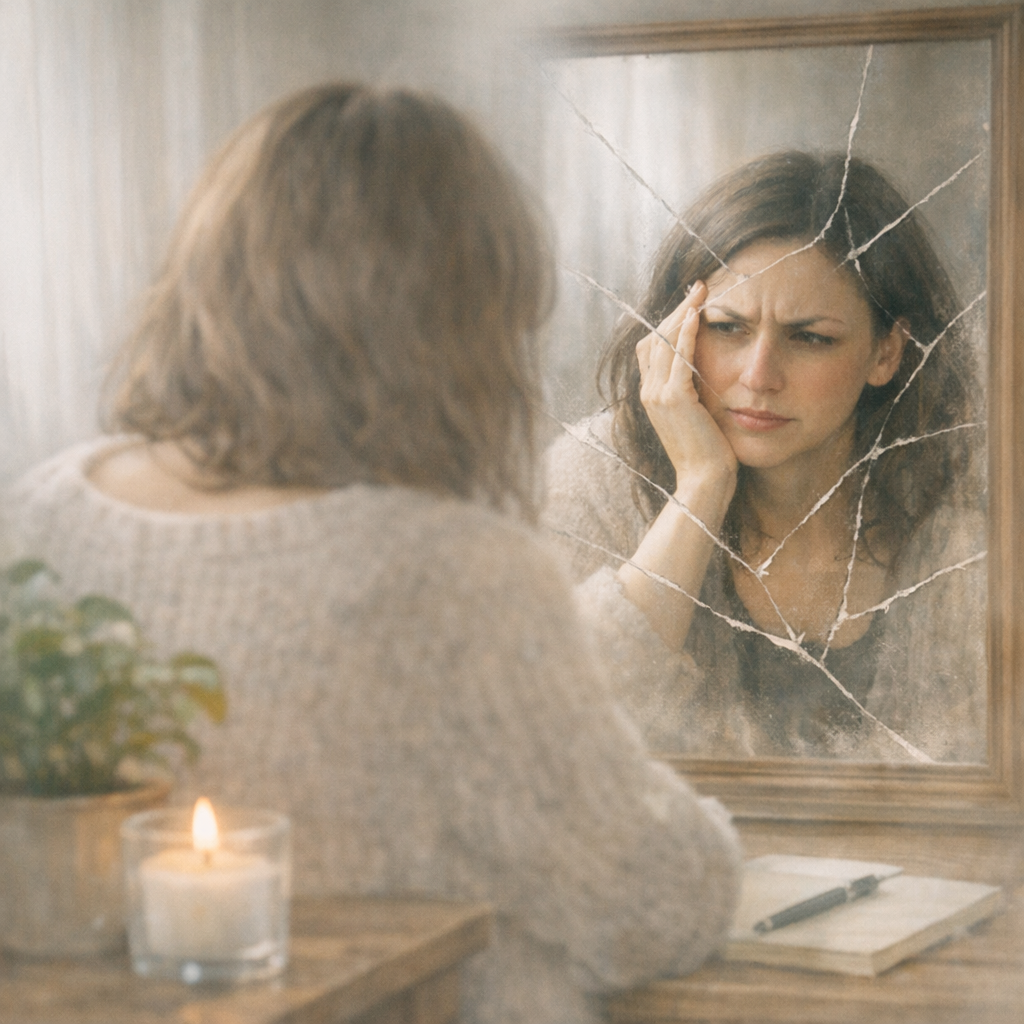
I had to remind myself that I am not the only person who feels this way. This voice is often referred to as the inner critic or self-critic, the internal voice that can be harsh, critical, and focused on what’s lacking rather than what’s been achieved.
As Tara Brach wrote, “The inner critic is the voice of fear, and it often becomes the harshest judge we know.”
It says things we would never say to anyone else, yet we can come to believe it is acceptable to speak to ourselves in this way. While it is not unusual to have an inner critic, the language we use towards ourselves can contribute to anxiety, overwhelm, unrealistic expectations, low self-esteem, and reduced self-confidence.
The origins of the inner critic can often be traced back to childhood experiences. Messages from caregivers, school environments, and cultural expectations can contribute to low self-esteem, reduced self-acceptance, and confusion about identity. Over time, these messages can become internalised as enduring beliefs about the self.
Byron Brown describes the inner critic as a “judge” shaped by the beliefs we take on about how we should be in order to be acceptable, highlighting how these internalised expectations can become a harsh internal authority we carry into adulthood.
Reflecting on my own journey over the years, I began to show myself compassion each time the inner critic became loud. In therapy, I processed what I had internalised. Over time, my relationship with my inner critic began to change.
The “shoulds” no longer hold the same power. While the inner critic may slip back into old patterns now and then, I am now aware of it and with awareness comes choice. I can choose to respond with compassion and kindness.
Meeting the inner critic can feel overwhelming because it is deeply personal. It may carry pain, unmet needs, and protective strategies that once helped you survive but may no longer be necessary. It can feel frightening to meet these parts, yet it is also an opportunity to understand how they tried to help in the only way they knew how.
In the safety of the therapeutic space, these parts can be explored gently and at your own pace. By meeting the inner critic with compassion, we begin to understand why it exists and create space for self-trust and self-acceptance to grow.
If this resonates with you, you’re not alone. Therapy can offer a safe and supportive space to explore your inner world, understand where these patterns come from, and begin to relate to yourself with greater compassion.
If you feel ready, you are welcome to reach out to connect with Ethna: https://misneachcentre.ie/ethna-killeen/
Ethna Killeen
Counsellor & Psychotherapist
References
Brach, T. (2003). Radical Acceptance: Embracing Your Life with the Heart of a Buddha. New York: Bantam.
Brown, B. (1999). Soul Without Shame: A Guide to Liberating Yourself from the Judge Within. Boston: Shambhala.