
Privacy, surveillance and the uncomfortable questions we should all be asking.
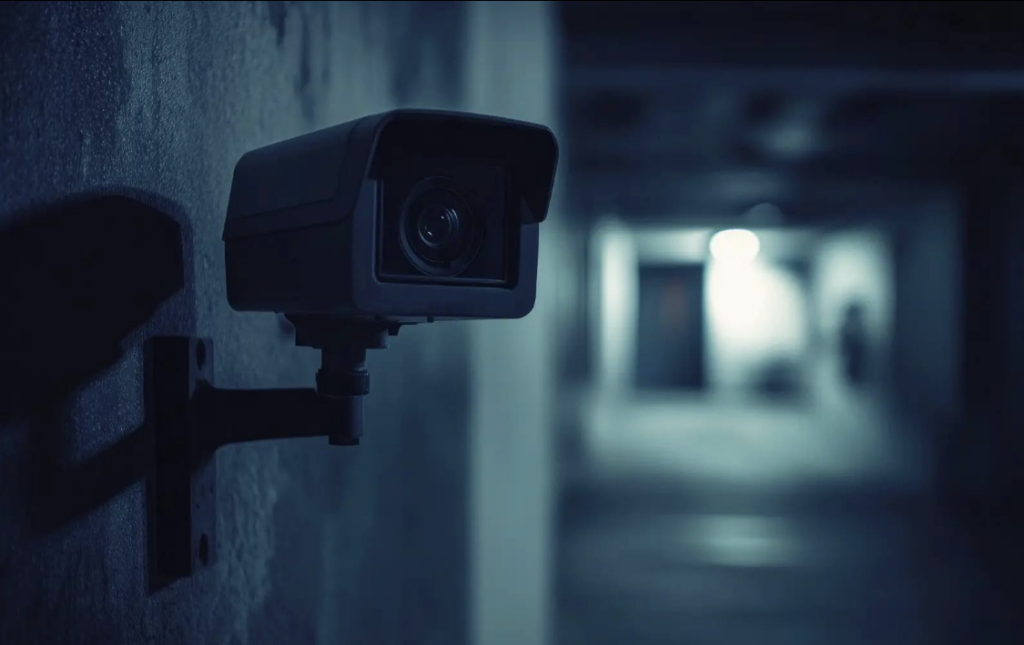
CCTV has become such a familiar part of everyday life that most of us barely notice it anymore. We expect cameras in shops, car parks, streets and public buildings. We understand their purpose in preventing crime, protecting property and keeping people safe. But when did we become so accepting of surveillance that even our most private spaces are no longer considered off limits?
What happens when cameras begin appearing in toilets, changing facilities and other environments where people should reasonably expect privacy? The explanations are often familiar. Preventing drug use. Tackling antisocial behaviour. Protecting people from harm. Reducing the risk of fraudulent insurance claims.
All legitimate concerns. But does that automatically justify the measures taken to address them? At what point does protecting people become an intrusion into their dignity and personal boundaries?
Privacy is not about having something to hide….
We’ve all heard the argument that if you’re doing nothing wrong, you’ve nothing to worry about.
But privacy has never been about having something to hide.
Think about what happens in a toilet beyond its most obvious purpose. People adjust clothing, manage menstruation, wash themselves, change, cry, comfort one another or simply take a few moments away from the world. For teenagers, these spaces can offer a brief escape from the pressures of school life. Somewhere to gather themselves after an upsetting experience, confide in a friend or find a moment of calm.
For someone who has experienced trauma, particularly sexual trauma, having control over their personal space and feeling safe within it can be especially important. Imagine having experienced a violation of your bodily autonomy and then finding yourself in an environment where you are unsure whether someone is watching or recording you. The psychological impact of that uncertainty should not be underestimated.
What are we teaching our children?
As a psychotherapist, this is one of the aspects I find most troubling. We spend considerable time teaching children and adolescents about consent, bodily autonomy, personal boundaries and recognising inappropriate behaviour. We encourage them to trust their instincts, speak up when something feels wrong and understand that their bodies belong to them.
Yet what message do we send when institutions responsible for their care introduce surveillance into environments where that privacy should be respected? Are we teaching children that boundaries matter only when the person crossing them holds no position of authority? That their discomfort is less important than an adult’s justification? Children and adolescents are still developing their understanding of trust, autonomy and healthy relationships. The environments we create around them help shape those understandings. If we want children to understand that their boundaries matter, we must be willing to respect those boundaries ourselves.
Who is watching the footage?
There is another serious issue that deserves far more public attention. Who actually has access to surveillance recordings? Who decides when footage should be viewed? Is someone monitoring it live? Where is it stored? How long is it retained? Can it be downloaded, copied or shared? And what safeguards are in place to prevent inappropriate access or misuse? These questions become particularly important when cameras are positioned in environments where people may be vulnerable or where children are present.
Ireland’s Data Protection Commission has addressed CCTV in toilet facilities, including concerns about cameras directed towards cubicles and urinals. Its guidance makes clear that surveillance in such environments faces a particularly high threshold for justification.
Under GDPR, organisations must demonstrate that surveillance is lawful, necessary and proportionate. Clear signage is important, but a notice alone does not make intrusive surveillance appropriate.
Simply saying that cameras are there for safety is not enough.
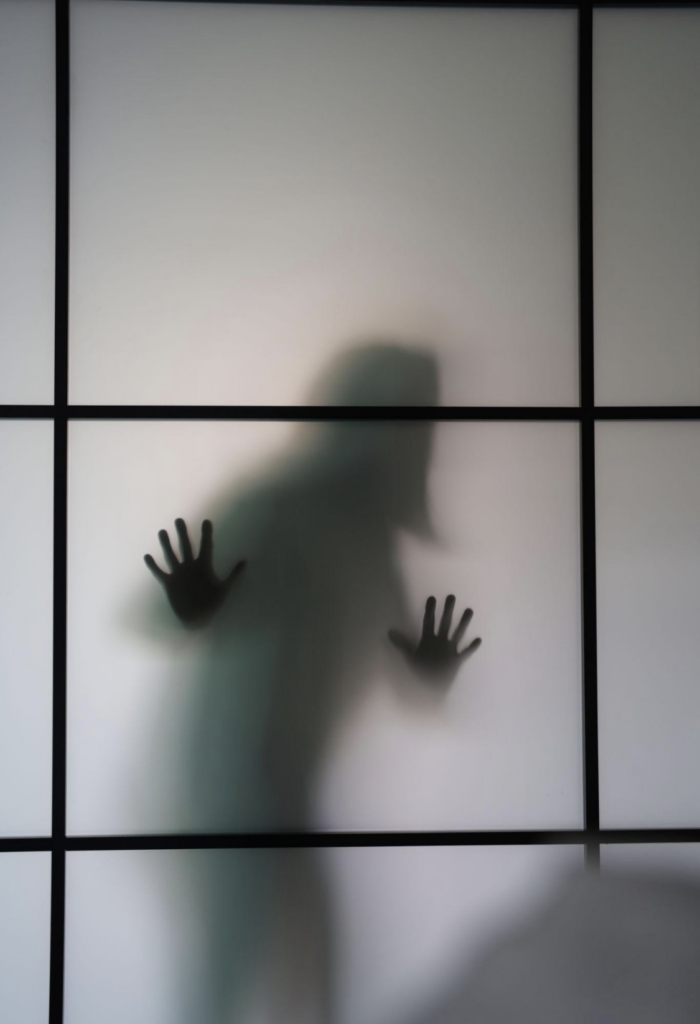
When images become weapons….
Perhaps one of the most frightening aspects of modern surveillance is what can happen when images fall into the wrong hands. We live in a world where photographs and recordings can be copied, circulated, manipulated and used to humiliate, intimidate or control another person.
Broadcaster Gráinne Seoige has spoken publicly about the devastating impact of sexually explicit AI-generated images depicting her being circulated without her consent. Her experience did not involve stolen CCTV footage, but it highlights the potential for images to be weaponised against someone.
Technology has reached a point where even an ordinary photograph can be manipulated into something deeply damaging. Now consider the implications of recording people in environments where they may be at their most vulnerable. As a psychotherapist, I am particularly concerned about the psychological consequences of image-based abuse. The shame, humiliation, fear and loss of control can have profound effects. For survivors of sexual trauma, such violations may also reactivate earlier feelings of powerlessness and betrayal.
Ireland has legislation addressing intimate image abuse, commonly known as Coco’s Law. But legislation cannot necessarily undo the emotional and psychological harm caused when an image has already circulated. This is not about suggesting that everyone with access to CCTV would misuse it. It is about recognising that creating and retaining recordings introduces risks that would not otherwise exist. Surely one of the most effective ways to protect someone’s privacy is to avoid recording them where it is not genuinely necessary.
Should everyone lose their privacy because someone else might break the rules?
There will always be people who break rules. Some will misuse substances, behave antisocially or make dishonest claims. These are real problems that require appropriate responses. But should the possibility of wrongdoing by a minority mean that everyone else must surrender their privacy?
Surely we can develop more thoughtful and proportionate responses through education, appropriate supervision, preventative measures and meaningful consequences. In schools particularly, we should be considering the importance of relationships, trust, early intervention and understanding the reasons behind certain behaviours. Surveillance cannot replace good relationships, sound judgement or effective safeguarding. The behaviour of a few should not automatically determine the rights of everyone else.
Why are we so reluctant to question authority?
Perhaps there is another uncomfortable issue beneath all of this. Our reluctance to challenge decisions made by people and institutions in positions of authority. We don’t want to cause trouble. We don’t want to offend anyone. We don’t want to be labelled difficult or confrontational. We reassure ourselves that those responsible must have their reasons.
And sometimes, even when something doesn’t sit comfortably with us, we remain silent.
In Ireland, we have a difficult history of what can happen when institutions are afforded unquestioning trust and people feel unable to challenge those in authority. Surely that history should have taught us something about the importance of accountability. Yet how often do we accept an explanation simply because it comes from someone in a position of responsibility? There is an important distinction between questioning a practice and attacking the person responsible for it. We can respect schools, support businesses and acknowledge the challenges organisations face while still asking whether their decisions are appropriate. Transparency and accountability should not be viewed as threats. They should be fundamental expectations.
Where do we draw the line?
I am not opposed to CCTV. I recognise its value and understand that there are circumstances where surveillance is necessary and appropriate. But I am concerned about how easily we become accustomed to increasingly intrusive measures when they are presented as being for our own protection. Privacy is not a privilege reserved for people who have done nothing wrong. It is a fundamental part of human dignity.
We need to be willing to ask difficult questions, even when doing so makes others uncomfortable. Who benefits from the surveillance? Who might be harmed by it? Have the people affected been heard? And is there a less intrusive way to achieve the same objective? Protecting people should involve more than preventing undesirable behaviour. It should also mean protecting their dignity, autonomy, psychological safety and fundamental rights.
Perhaps the most important question is not whether surveillance can help prevent certain behaviours. It is whether we are prepared to draw a line when the measures introduced to protect us begin to compromise the very rights they are supposed to uphold.
Because feeling safe and being watched are not the same thing.
Written by Anita Lynch (Msc, BCouns, MIACP)
Psychotherapist | Founder & Clinical Director
The Misneach Centre, Moate, Co. Westmeath
References & Further Reading
1. Data Protection Commission — CCTV in Restrooms
Guidance on CCTV in areas with a high expectation of privacy, including toilets.
2. Data Protection Commission — Guidance on the Use of CCTV
Guidance on lawful use, transparency, proportionality, access and retention.
3. Data Protection Commission — Data Protection Toolkit for Schools
Guidance on protecting pupils’ personal data and CCTV in schools.
4. Harassment, Harmful Communications and Related Offences Act 2020 — Section 3
Irish legislation addressing certain forms of non-consensual intimate-image abuse.
5. Data Protection Commission — Annual Report 2023
Includes a case study concerning CCTV in restaurant toilet facilities (see page 71).
6. RTÉ Prime Time (14 January 2026) — Gráinne Seoige on AI-generated sexual images
Coverage of Gráinne Seoige’s public account of non-consensual AI-generated sexual imagery and its impact. Read source
7. Houses of the Oireachtas (21 January 2026) — Committee proceedings
Official committee proceedings addressing AI-generated intimate imagery and online safety. Read source