
Sometimes it’s not that you can’t cope. It’s that you’ve been coping by yourself for a long time.
You might be the person everyone relies on. You build a career, manage your own finances and a household. You might even attempt the odd DIY project, flip a mattress by yourself or find yourself under a leaking sink with a YouTube tutorial. And alongside all of that, there are friendships to nurture and family responsibilities to juggle
You get things done. You figure things out. And you rarely ask for help.
To those around you, you seem independent, capable and strong. Perhaps being known as “the capable one” has even been a source of pride. But underneath that capability, there can also be tiredness, overwhelm and, at times, a little loneliness. Sometimes, it can be difficult to know where your life fits in a world that often assumes partnership is the goal.
If this resonates, you are not alone. You don’t have to carry everything yourself.
Being single, whether by choice, circumstance or a combination of both, can bring freedom, autonomy and the opportunity to create a life that genuinely feels like your own. But when you become accustomed to handling life by yourself, self-reliance can become habitual. Over time, asking for or accepting help can begin to feel increasingly difficult (Murayama et al., 2022; Ishikawa et al., 2023). Asking for help might feel uncomfortable, relying on someone else may feel unfamiliar, or you may simply look around and wonder who you can lean on.
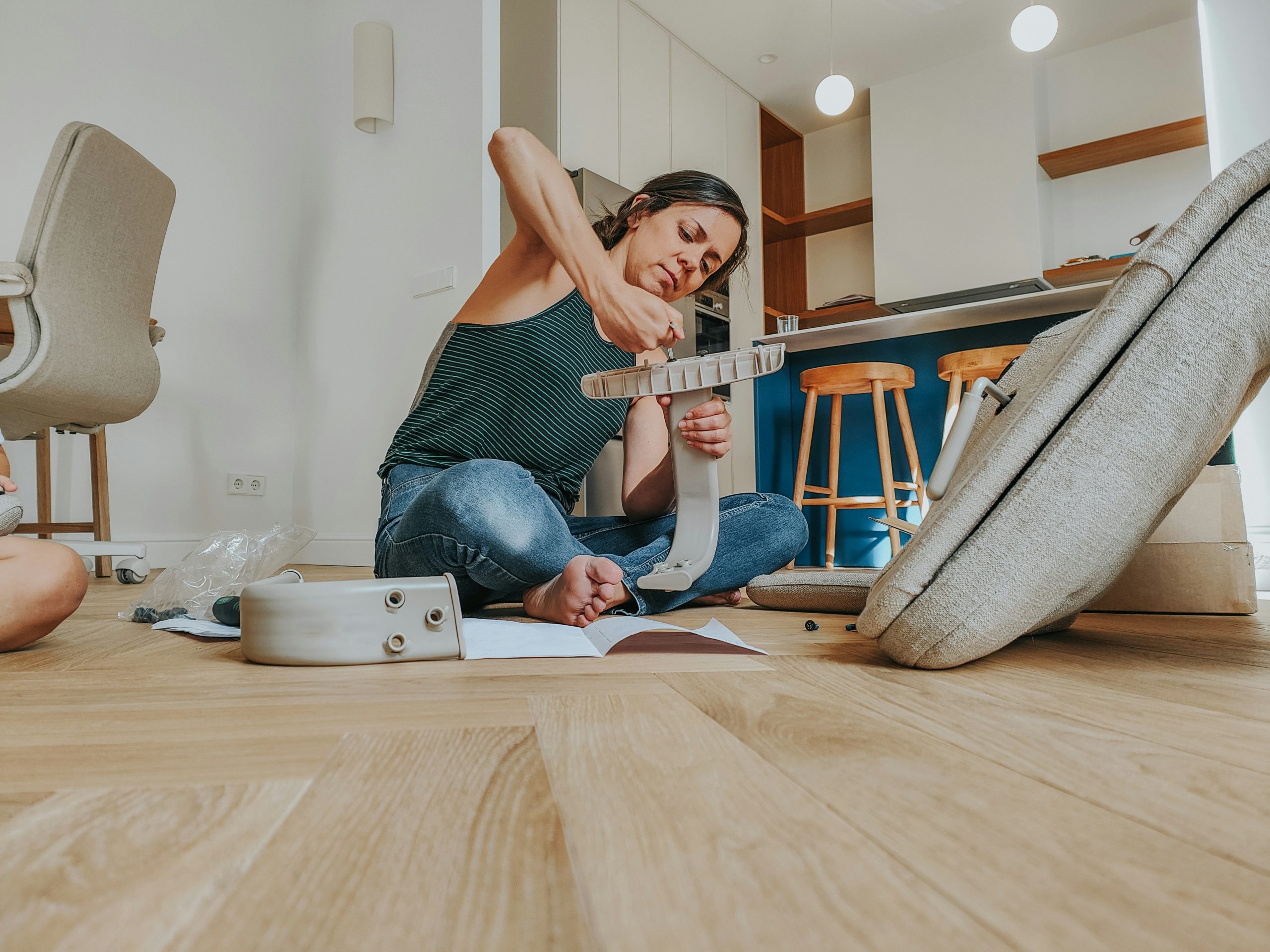
As time goes on, this pattern of self-reliance can leave you feeling emotionally isolated, even when, from the outside, your life appears full and successful. Perhaps the first step isn’t about making big changes or suddenly learning to depend on others. Maybe it’s simply noticing how often you automatically say, “I’m fine”, when you’re actually feeling overwhelmed. Or recognising those moments when you could ask for help but find yourself thinking, “It’s easier if I just do it myself.”
It might mean allowing someone to do something kind for you without feeling the need to return the favour, being honest with a friend about a difficult day, or simply acknowledging that sometimes you’re tired of having to figure everything out.
These might seem like small things, but when you’ve spent years relying on yourself, allowing someone else to show up for you can feel surprisingly uncomfortable.
And perhaps that’s something worth being curious about. When did being independent begin to mean having to manage everything alone? What might it feel like to let someone in, even just a little?
Independence doesn’t have to mean isolation. You can be capable, resourceful and proud of the life you’ve built while still wanting companionship, reassurance and support.
Therapy can offer a space where, for once, you don’t have to be the strong one. You don’t need to be in crisis. Therapy can simply be a place to explore what it has been like to carry so much by yourself, and why allowing others to support you may not always come easily.
When you’ve relied on yourself for a long time, sharing some of what you carry can feel unfamiliar. Therapy can be a place to begin putting some of it down. But that process can also begin in small, everyday moments, when you allow yourself to be supported, ask for help or simply acknowledge that you don’t always have to have everything figured out.
Because perhaps true independence isn’t about never needing anyone. It’s about knowing you can stand on your own two feet, while also allowing yourself to lean on someone when you need to
Written by Denise Mooney, Pre-Accredited Psychotherapist at The Misneach Centre, Main St, Moate, Westmeath. To read more about Denise, click her profile link below:
https://misneachcentre.ie/denise-mooney
References:
Ishikawa, A., Rickwood, D., Bariola, E. and Bhullar, N. (2023) ‘Autonomy versus support: self-reliance and help-seeking for mental health problems in young people’, Social Psychiatry and Psychiatric Epidemiology, 58(3), pp. 489–499. Available at: https://doi.org/10.1007/s00127-022-02361-4.
Murayama, Y., Yamazaki, S., Hasebe, M., Takahashi, T., Yamaguchi, J. and Kobayashi, E. (2022) ‘Psychological factors that suppress help-seeking among middle-aged and older adults living alone’, International Journal of Environmental Research and Public Health, 19(17), article 10620. Available at: https://doi.org/10.3390/ijerph191710620.